
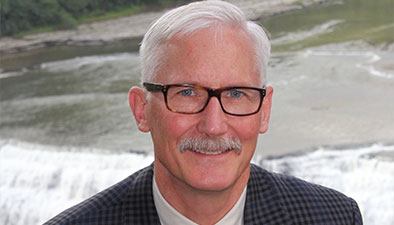
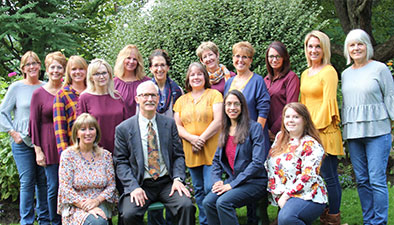


Salmon Orthodontics provides the Batavia, Hornell, Wellsville, Perry and Arcade, NY areas with friendly, family-oriented, and professional orthodontic services. Dr. Marlin Salmon, along with our team, is passionate about giving you an amazing and functional smile that boosts your confidence and overall quality of life.
We want to make your orthodontic experience as comfortable, fun, and efficient as possible. Our highly trained team utilizes cutting-edge orthodontic technologies and treatments to make your smile shine. But getting to know our patients as unique individuals is an equally important part of creating the right treatment plan. At Salmon Orthodontics, we treat you like family.
In addition to traditional braces for children and adults, we also offer:
- Invisalign® and Invisalign Teen® clear aligners
- Six Month Smiles®
- Damon™ Smile and Damon™ Clear self-ligating braces
- Herbst Appliances
- WildSmiles® Braces
We very much look forward to working with you to create your super smile. All our offices offer a friendly and comfortable environment where we treat our patients like family. We make sure our patients stay informed through all phases of their orthodontic experience with continued communication and guidance.
You can also rest easy knowing that, should you have an issue arise during your orthodontic treatment, we offer 24-hour emergency services. Our entire team is passionate about what we do and we’re always excited to welcome new members to our orthodontic family. Please give us a call today so we can start on our journey towards your beautiful new smile! If you'd like to learn more or set up a complimentary consultation, please give one of our Batavia, Hornell, Wellsville, Arcade, Perry, NY offices a call today.




 Website Powered by Sesame 24-7™